Apr 21st, 2026
How to Choose the Right Label Material for Your Product
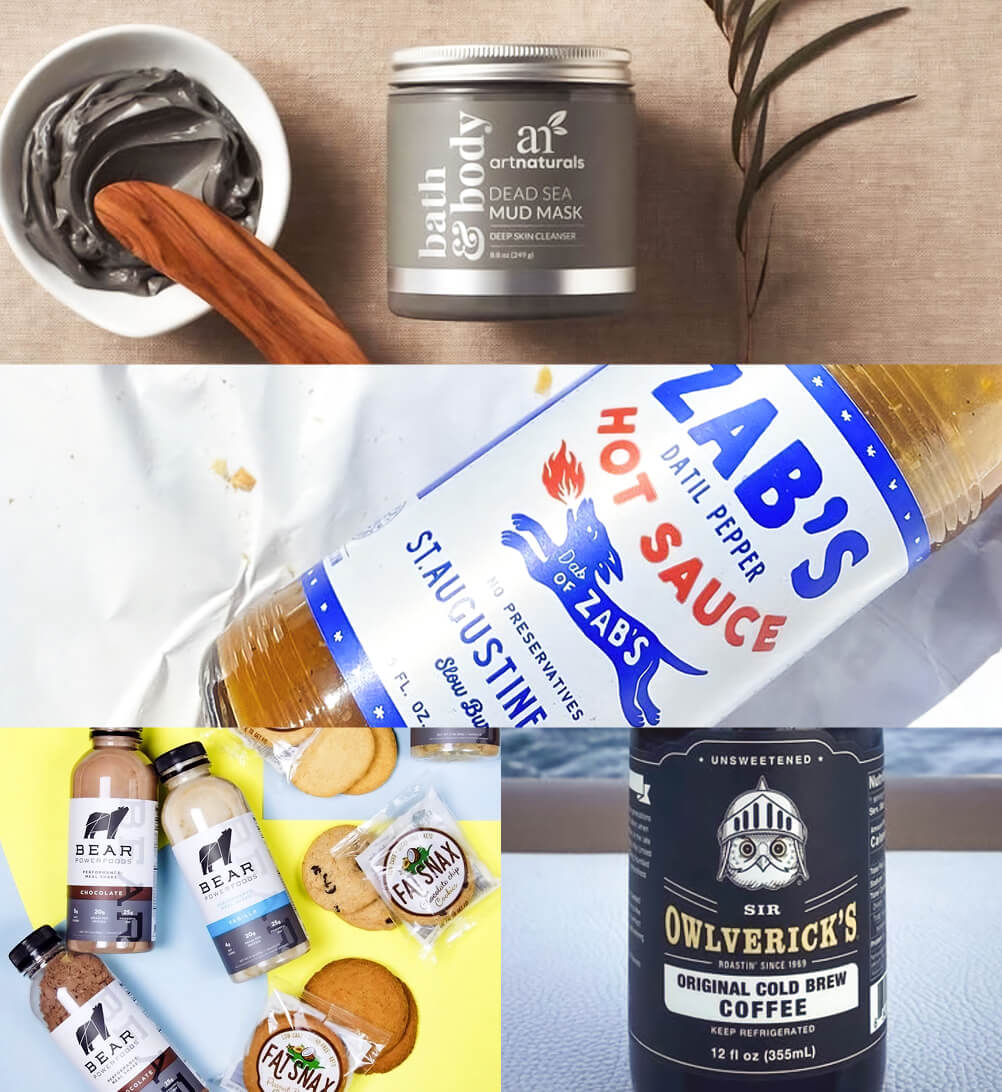
Your label is often the first thing a customer sees. Before they read your tagline, before they notice your logo — they see your label.
And if that label is peeling, fading, or curling, it sends a message about your product quality before they even open the package.
Choosing the right label material is one of the most important decisions you can make in your product packaging strategy. The good news: once you understand the main options, the right choice usually becomes obvious. Here's a practical breakdown of the most common label materials and when to use each one.
Paper Labels: Best for Dry, Indoor Products
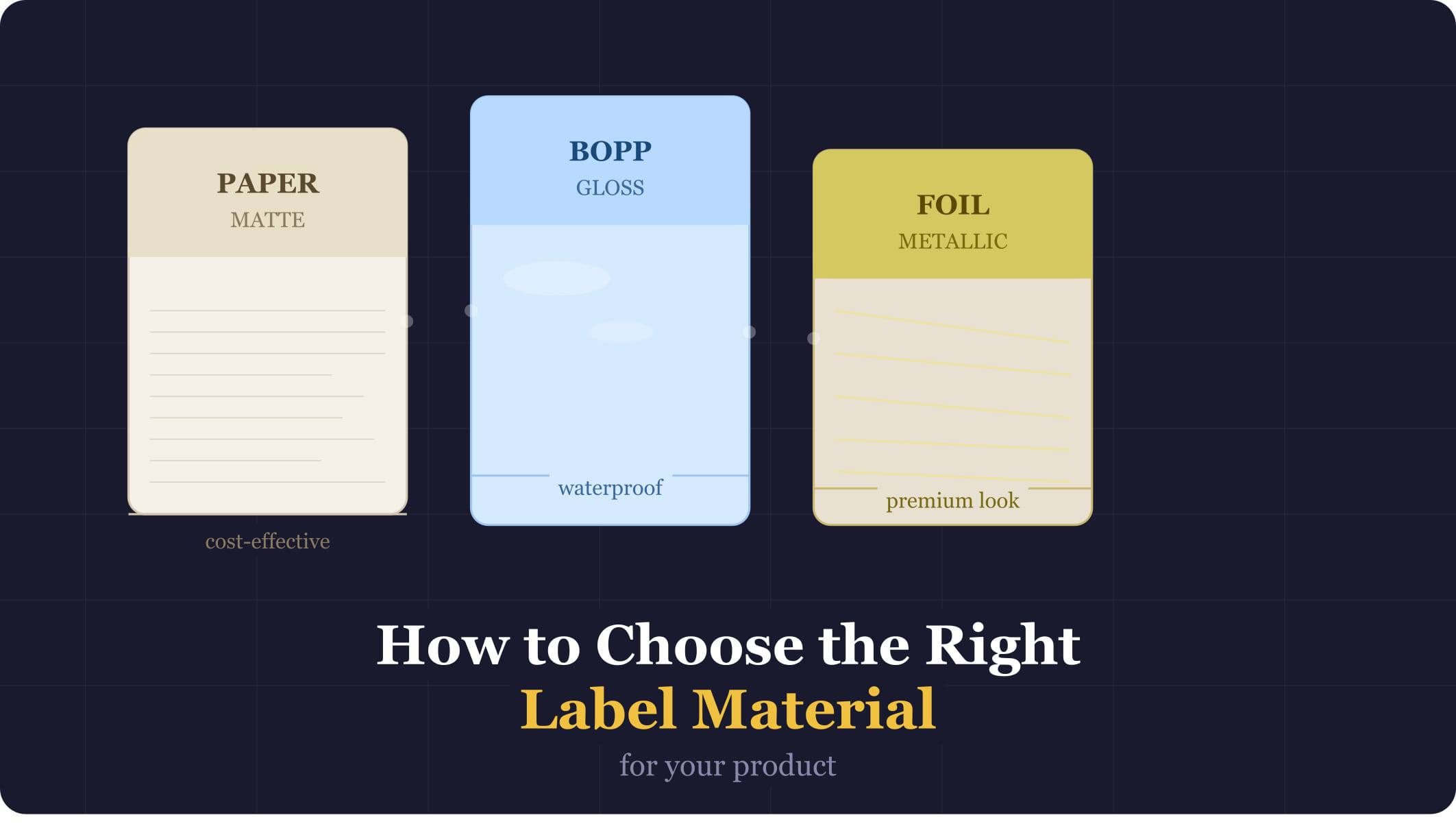
Paper labels are the most cost-effective option and work beautifully for products that stay dry and indoors. Think food items stored in pantries, candles, cosmetics in climate-controlled spaces, and retail goods.
Paper labels accept ink exceptionally well, which means vibrant colors and crisp typography. They also tend to feel more natural and premium when paired with matte or uncoated finishes — a popular choice among artisan food brands and boutique beauty products.
Where paper falls short: moisture. If your product will be refrigerated, handled with wet hands, or stored in humid conditions, paper labels will degrade quickly. For those use cases, you'll want to move up to a synthetic material.
BOPP Labels: The Industry Standard for Durable Product Labeling
BOPP (biaxially oriented polypropylene) is the most commonly used label material in the packaging industry when durability and moisture resistance are required. BOPP labels are waterproof, oil-resistant, and highly tear-resistant, making them ideal for products that are exposed to refrigeration, condensation, handling, or wet environments.
Because of its strength and versatility, BOPP is widely used for beverage bottles, food packaging, health and beauty products, cleaning supplies, and household chemicals. It performs well in both cold and warm conditions and maintains its appearance even when exposed to moisture, friction, or frequent handling.
BOPP labels can be finished with gloss, matte, or soft-touch laminates, and they support high-resolution, full-color printing for a clean, professional look on retail shelves. For most consumer packaged goods, BOPP is considered the standard choice due to its balance of durability, print quality, and cost efficiency.
When to use Vinyl Labels
Vinyl labels are typically used for specialty applications where extra thickness, flexibility, or long-term outdoor durability is required. Compared to BOPP, vinyl is heavier and more conformable, making it a good option for stickers, bumper stickers, equipment decals, and outdoor products that need to withstand extended UV exposure, weather, and abrasion.
While vinyl is excellent for outdoor use, most product labeling applications use BOPP because it provides the durability needed at a more efficient cost.
Polyester Labels: Best for Industrial and Chemical Applications
Polyester labels offer an even higher level of durability than standard vinyl. They're resistant to harsh chemicals, extreme heat, and abrasion — making them common in industrial, automotive, and laboratory settings.
If your product comes into contact with solvents, oils, or cleaning agents, polyester labels will outlast virtually any other option. They're also frequently used for barcodes and asset tracking labels that need to remain legible over years of use.
Foil and Specialty Labels: Best for Premium and Luxury Brands
If your brand sits in the premium or luxury segment, the label material itself becomes part of the experience. Foil labels — silver, gold, holographic — add a tactile, high-end quality that paper and vinyl can't replicate.
These materials are commonly used for wine and spirits, high-end cosmetics, specialty foods, and gift products. Combined with embossing or spot UV coating, foil labels create a shelf presence that genuinely stands out.
How to Make the Final Call
When deciding on a material, ask yourself four questions:
Will the label be exposed to moisture, chemicals, or outdoor conditions?
Does my brand positioning call for a premium, artisan, or industrial look and feel?
What's the lifespan of the product — and how long does the label need to last?
What is my budget per unit, and how does label cost factor into my margins?
The answers will point you in a clear direction. And if you're still unsure, a reputable label supplier should be able to send you samples so you can feel the materials firsthand before committing to a print run.
Ready to find the perfect label material for your product? Cover Label offers custom printing across paper, vinyl, polyester, and specialty materials — with fast turnaround and no minimum order requirements. Request a free sample pack at coverlabel.com.
CONTACT US
Get in Touch
Have questions or ready to get started? Our team is here to provide expert guidance and premium label solutions tailored to your needs. Fill out the form below, and we’ll be in touch shortly to discuss your project.