Apr 21st, 2026
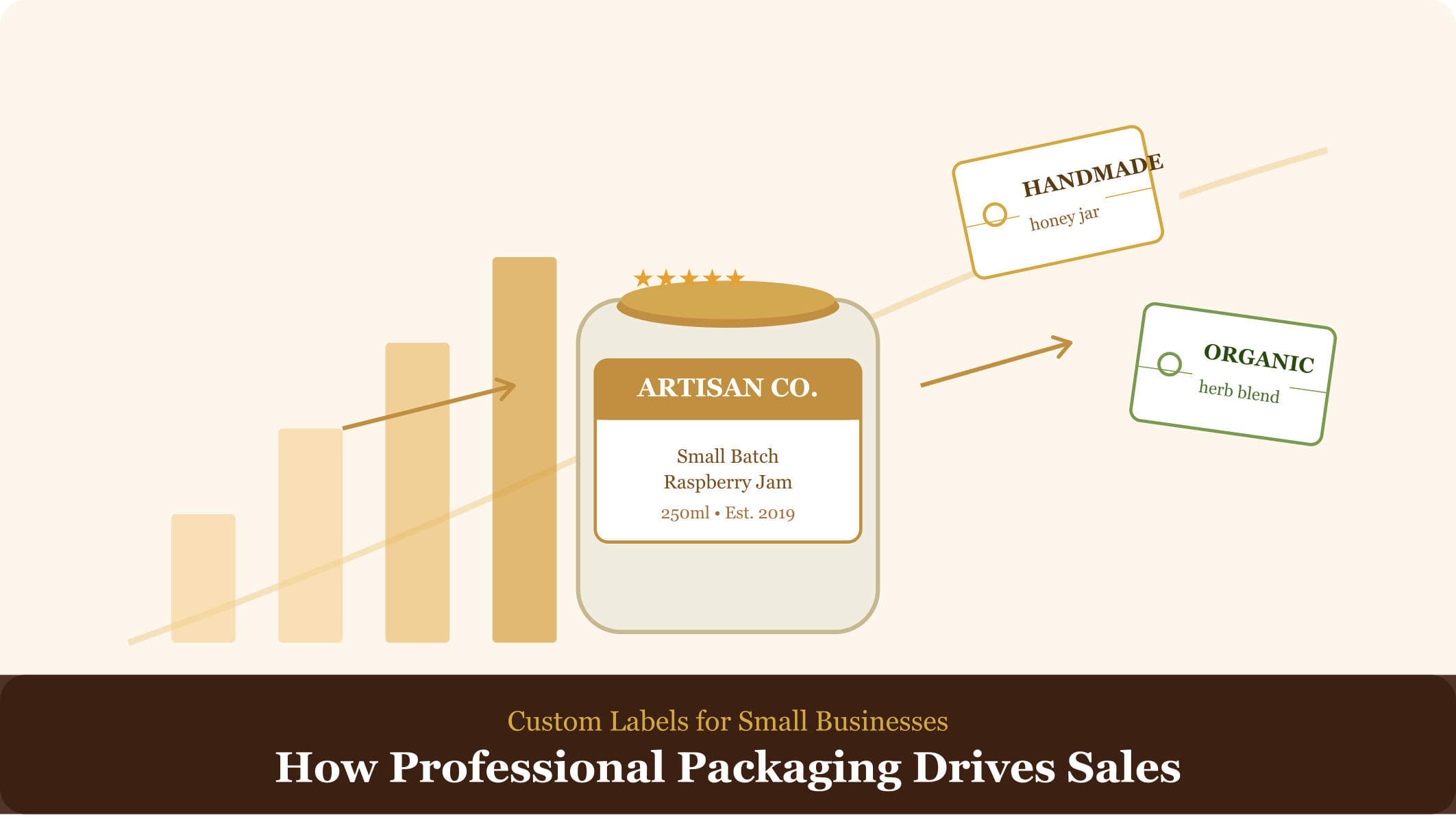
Custom Labels for Small Businesses: How Professional Packaging Drives Sales
There's a misconception that professional-grade product packaging is reserved for large brands with large budgets. In reality, the barrier to high-quality custom labels has never been lower — and the impact they can have on a small business has never been more significant.
Whether you're selling handmade goods on Etsy, running a specialty food brand at farmers markets, launching a DTC e-commerce line, or growing a local retail presence, your packaging is doing sales work for you 24 hours a day. Here's how to make sure it's doing that job well.
Your Label Is Your First Sales Rep
When a customer picks up your product, they're making a rapid series of subconscious judgments. Is this product trustworthy? Does it look like something that was made with care? Does the brand seem legitimate?
A professionally printed custom label answers those questions in your favor before a single word is read. A label that looks handmade — or worse, like it was printed on a home printer and cut with scissors — raises doubts about the quality of what's inside, regardless of how exceptional the actual product is.
The investment in professional labels is, in most cases, one of the highest-return investments a small business can make per dollar spent.
How Small Businesses Can Keep Label Costs Under Control
One of the most frequent concerns small business owners raise about custom labels is minimum order quantities. Historically, professional label printing required large runs — often thousands of units — to achieve a reasonable per-unit cost.
That's changed significantly. Digital printing technology now makes short runs economically viable, with many suppliers offering runs as low as 500-1000 labels without dramatic cost penalties. For a small business testing a new product or managing inventory carefully, this is a game-changer.
A few additional strategies for managing label costs:
Standardize your label size across product variants to maximize quantity discounts when you do place larger orders.
Use a consistent template with variable elements (flavor names, product types) printed in smaller batches.
Order slightly more than you need in each run — the marginal cost per label drops significantly as quantity increases.
Work with a supplier who offers transparent pricing online so you can plan costs accurately.
The Competitive Advantage of Looking Professional
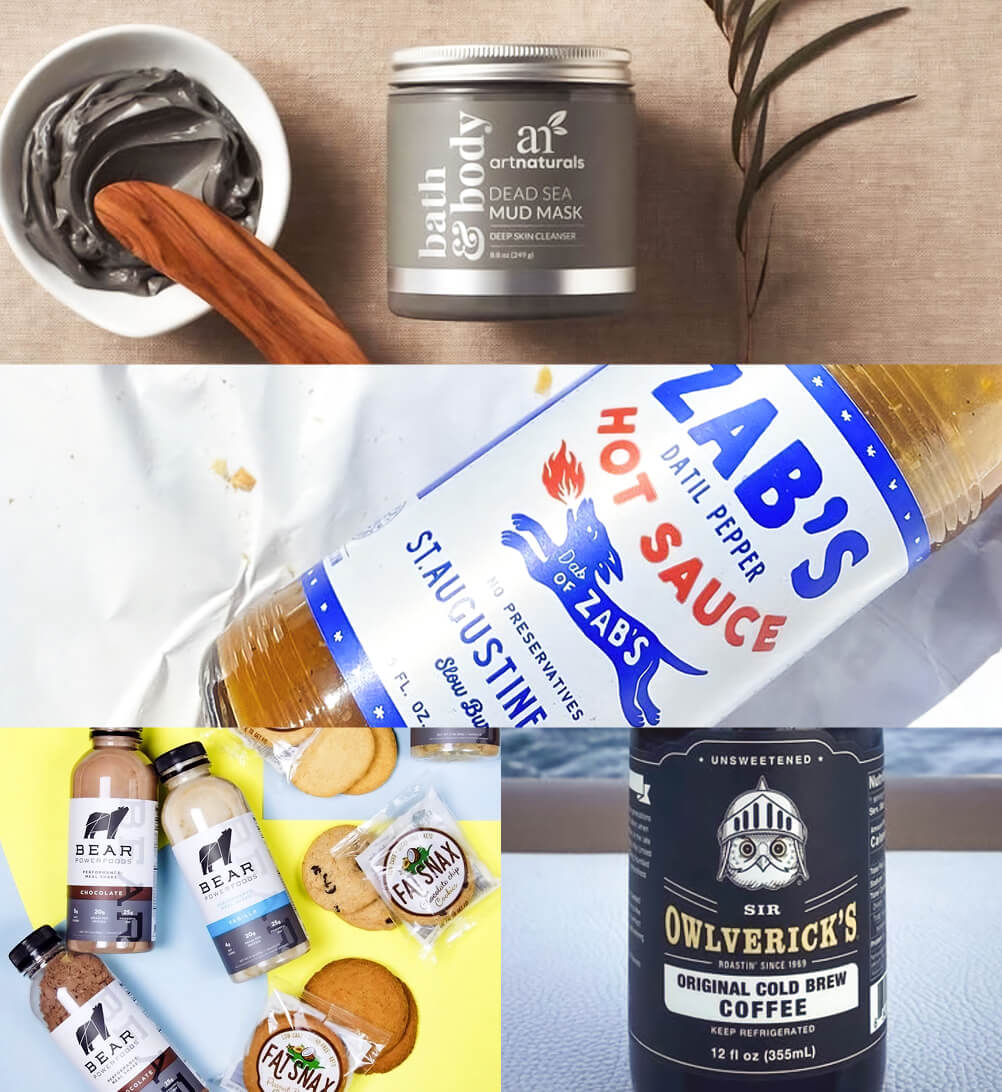
In crowded markets — specialty food, handmade beauty, artisan goods — differentiation often comes down to brand presentation. Two products with similar quality and similar prices will not sell equally. The one with more professional, more visually appealing packaging will consistently outsell the other.
This isn't superficial. Customers make purchasing decisions based on perceived value. A well-designed label with quality materials signals that you've invested in the customer experience — and that investment is noticed.
Labels That Do Double Duty: Branding and Compliance
For small businesses in regulated categories — food and beverage, health products, CBD, cosmetics — labels also need to meet legal requirements. This includes ingredient lists, allergen warnings, net weight, manufacturer information, and often nutritional panels.
Getting these details right from the beginning saves significant time and money compared to reprinting labels after a compliance issue is identified. Work with a label printer who has experience in your product category and can advise on common regulatory requirements.
When to Refresh Your Labels
Label redesigns are often triggered by the wrong things — a slow sales period or a vague feeling that something needs to change. A better approach is to treat your label design as a strategic asset and evaluate it periodically against clear criteria: Has your target customer profile evolved? Have competitors significantly upgraded their packaging? Does your label still reflect where your brand is positioned in the market?
For most growing small businesses, a label refresh every two to three years keeps the brand looking current without the disruption of constant redesigns.
Cover Label makes professional custom labels accessible for businesses of every size — with no high minimums, transparent pricing, and fast turnaround. See how affordable professional packaging can be at coverlabel.com.
CONTACT US
Get in Touch
Have questions or ready to get started? Our team is here to provide expert guidance and premium label solutions tailored to your needs. Fill out the form below, and we’ll be in touch shortly to discuss your project.